
 Facebook
 X
X
 Pinterest
 Copy Link
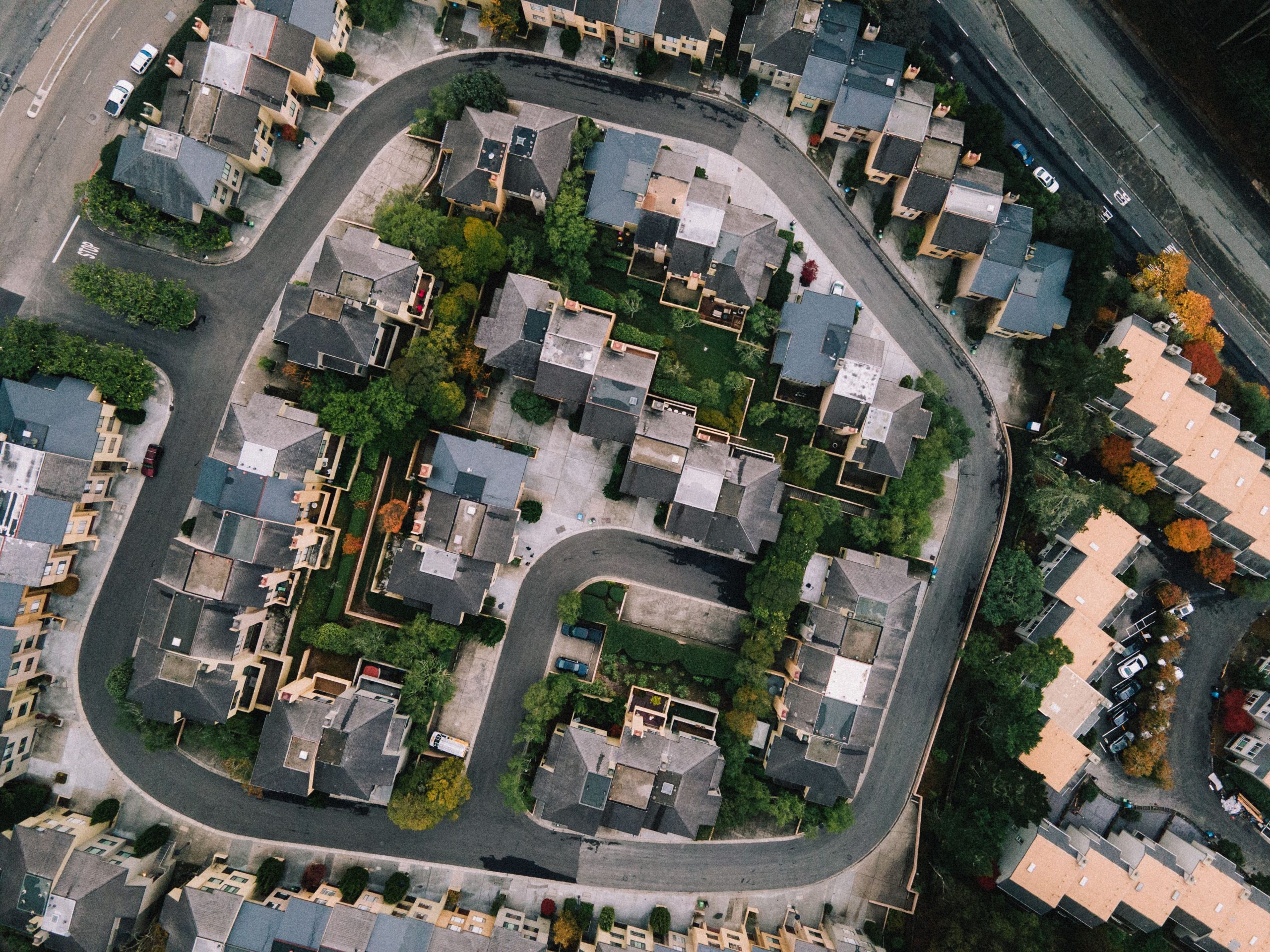
Highlands Ranch comes up constantly with buyers who want more home for their money than they’re finding closer to central Denver, without giving up trails, parks, and a genuinely master-planned feel.
It’s also one of the most misunderstood markets I work in — because “Highlands Ranch” isn’t one price point. It’s a 22,000-acre community with pockets that range from entry-level attached homes in the $500,000s to gated estates well north of $2 million, all inside the same HOA umbrella.
Here’s what buyers actually need to understand before they start touring here.
What You’ll Pay in Highlands Ranch Right Now
The median sale price across Highlands Ranch sits around $676,000 as of mid-2026, with average single-family sale prices closer to $727,000 and attached homes — condos and townhomes — averaging around $365,000. Average home values have eased roughly 3% year-over-year, and active inventory is running higher than in recent years, which means less competition and more room to negotiate than buyers saw in 2021 or 2022.
What that looks like by property type:
- Attached homes (condos and townhomes): generally the most accessible entry point, averaging around $365,000 — a meaningful price gap below the detached market.
- Established single-family homes: the bulk of the market, typically pricing from the $550,000s to $900,000 depending on age, lot size, and how close they sit to Town Center.
- Gated luxury properties: concentrated in the newest section of the community, running from roughly $1.2 million past $3 million for view lots and larger acreage.
Homes that are well-priced and move-in ready are still moving quickly, but anything that’s sat on the market a while — often because of condition or an ambitious asking price — is exactly where buyers have the most negotiating leverage right now.
Highlands Ranch’s Neighborhoods: What’s Actually Different
Highlands Ranch isn’t a single market — it’s several, stacked inside one community association. Here’s how I walk buyers through the price tiers:
Northridge covers most of the entry-level and move-up inventory, generally running $550,000 to $750,000. This is where first-time buyers and those upgrading from a condo tend to land — established streets, a mix of home ages, and the shortest distance to Highlands Ranch’s original recreation centers.
Westridge sits closer to Town Center and typically prices between $650,000 and $900,000. Homes here tend to be larger and better positioned for walkability to shopping, dining, and HRCA’s core amenities — a common trade-up move for buyers who started in Northridge.
BackCountry is the newest, highest-priced section of the community — a gated area with mountain views, priced from roughly $1.2 million into the $3 million-plus range. It functions almost like its own community within Highlands Ranch, with additional gated-access amenities layered on top of standard HRCA membership.
Across all three, the HRCA umbrella means every homeowner has access to the same core trail network and recreation centers — the differentiator is really lot size, home age, and how much additional, neighborhood-specific amenity access you’re paying for.
Understanding the HOA Before You Make an Offer
Every home in Highlands Ranch comes with mandatory membership in the Highlands Ranch Community Association. For 2026, that’s $174 per quarter, or $696 per year — split into $16 for administration and $158 for recreation.
That fee gives every homeowner access to four recreation centers, more than 70 miles of maintained trails, parks, open space, and community programming. It’s a genuinely different value proposition than a typical condo HOA that mostly covers building insurance and landscaping.
Here’s what buyers consistently miss: HRCA dues are often not your only HOA obligation. Many individual neighborhoods layer a sub-association on top of the citywide HRCA fee — with its own board, its own dues, and its own responsibilities, often covering things like a neighborhood pool or additional common-area landscaping. One address might have a single HOA bill. The house two streets over might have HRCA plus a sub-association plus a metro district fee.
Before you write an offer, get the complete fee schedule for the specific address — not just the citywide HRCA number you’ll find in a listing description. I go through exactly this kind of HOA document review with buyers looking at condos and townhomes across the Denver metro, and the same due-diligence habits apply here — ask for meeting minutes, reserve funding levels, and the insurance deductible structure on any attached product.
What Douglas County Buyers Should Check Before Making an Offer
Highlands Ranch sits in unincorporated Douglas County — a different taxing authority than Lakewood, Arvada, Wheat Ridge, or Golden to the north in Jefferson County. That distinction matters for a few practical reasons:
Property tax reassessment. Colorado reassesses property values every two years statewide, and a purchase at or above list price can shift your tax bill upward from what the seller has been paying. Run the numbers on what a post-purchase reassessment might look like rather than budgeting off the seller’s current tax bill.
Metro district fees. Some sections of Highlands Ranch, particularly newer development, sit inside a metro district that levies its own mill levy on top of standard property taxes — separate from HRCA dues. Ask your agent or title company to confirm whether a specific address carries metro district obligations before you finalize your budget.
New construction versus resale. With pockets of newer building activity in and around BackCountry, some buyers are weighing a new build against an established Northridge or Westridge resale. I laid out the real trade-offs — cost, timeline, and what you give up either direction — in my new construction versus resale guide for the Denver metro.
Financing and down payment help. If you haven’t owned a home in the past three years, Colorado’s CHFA programs can meaningfully reduce what you need to bring to closing, and they apply to eligible Highlands Ranch purchases the same as anywhere else in the state. I cover the details in my guide to first-time home buyer programs in Colorado.
Is Highlands Ranch the Right Fit for Your Search?
Highlands Ranch tends to work best for buyers who want a genuinely master-planned feel — consistent HOA-backed amenities, extensive trails, and a wide range of price points inside one community — over the more varied, older housing stock you’ll find in Jefferson County communities like Arvada or Wheat Ridge.
If you’re comparing Highlands Ranch against other Denver metro communities, it’s worth understanding how a market like Arvada prices out by neighborhood — the trade-offs between an HOA-heavy master-planned community and an established city with more architectural variety come down to what you actually want day to day, not just the sale price.
Every buyer’s priorities are different — your tolerance for HOA structure, your target neighborhood tier, and your budget for ongoing dues all shape whether Highlands Ranch or a neighboring community is the better fit. That’s exactly the kind of comparison I walk clients through before we ever start touring.
Highlands Ranch offers one of the widest price ranges in the Denver metro under a single community umbrella — if you know which pocket fits your budget and which HOA obligations actually apply to a specific address.
Every situation is different, and the best way to know what this looks like for you is to talk it through. I’d love to help. Reach out at (720) 915-2619 or visit ladawnsperling.com to schedule a conversation.
Frequently Asked Questions
What’s the median home price in Highlands Ranch, CO in 2026?As of mid-2026, the median sale price in Highlands Ranch is approximately $676,000, with single-family homes averaging around $727,000 and condos or attached homes averaging around $365,000. Pricing varies significantly by neighborhood, from entry-level homes in the $550,000s in Northridge to gated luxury properties above $1.2 million in BackCountry.
How much are HOA fees in Highlands Ranch?The Highlands Ranch Community Association (HRCA) charges $174 per quarter, or $696 per year, covering four recreation centers, more than 70 miles of trails, parks, and common area maintenance. Some individual neighborhoods layer on a sub-association with its own separate dues for things like a neighborhood pool or additional landscaping, so always ask for the full fee schedule for the specific address, not just the citywide HRCA number.
Is Highlands Ranch in Jefferson County or Douglas County?Highlands Ranch is unincorporated Douglas County, not Jefferson County. That distinction matters for buyers because Douglas County handles its own property tax assessments and reassessment schedule, which is a different taxing authority than Lakewood, Arvada, Wheat Ridge, or Golden to the north.
What are the main neighborhoods in Highlands Ranch for buyers to consider?Three pockets define most of the price range: BackCountry offers gated access and mountain views from roughly $1.2 million to over $3 million; Westridge has established homes near Town Center priced between $650,000 and $900,000; and Northridge provides entry-level and move-up inventory from about $550,000 to $750,000. Each has a different mix of home age, lot size, and proximity to HRCA’s recreation centers.
Is now a good time to buy in Highlands Ranch?Highlands Ranch has softened from its peak, with average home values down roughly 3% year-over-year and inventory running higher than in recent years. That combination gives buyers more negotiating room on price and closing costs than the market offered in 2021 or 2022, though well-priced, move-in-ready homes are still moving quickly.
