
 Facebook
 X
X
 Pinterest
 Copy Link
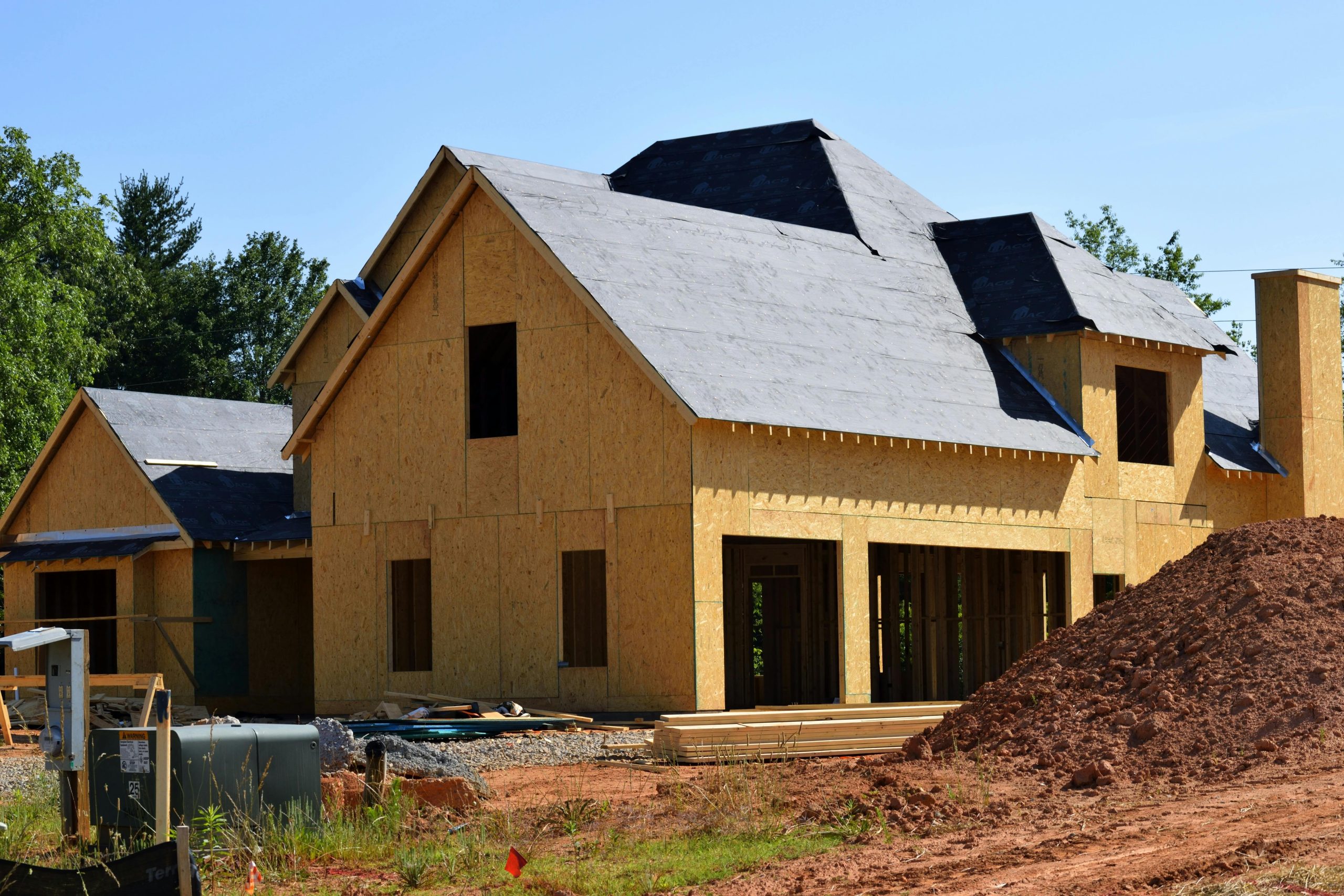
In 2026, Denver Metro builders are near a 15-year inventory peak and actively competing for buyers with rate buy-downs, upgrade credits, and closing cost packages. New construction offers lower maintenance, modern systems, and builder warranties, but typically costs 10-20% more than comparable resale homes and can take 4-12 months to complete. Resale homes in Lakewood, Arvada, and Wheat Ridge offer more negotiating room, established neighborhoods, and faster move-in timelines – but may come with deferred maintenance and older systems. The right choice depends on your timeline, budget, and priorities.
New Construction vs. Resale in Denver Metro: A Buyer’s Guide for 2026
By LaDawn Sperling | May 19, 2026
This is one of the most common questions I’m getting from buyers right now – and it’s easy to see why.
Denver Metro builders are sitting on near-peak inventory heading into summer 2026. They’re competing hard for buyers, and the incentive packages they’re dangling – mortgage rate buy-downs, upgrade credits, free finished basements – make new construction look genuinely compelling in a way it hasn’t in a few years.
At the same time, resale inventory has been quietly climbing. Sellers are getting more realistic about pricing. If you’re a buyer in the $400,000 to $1,000,000 range across Lakewood, Arvada, Wheat Ridge, Littleton, Golden, or Highlands Ranch, you have more real choices right now than you’ve had since 2019.
So which path makes more sense for you? Here’s the honest breakdown.
The Core Trade-Off: Cost vs. Condition
New construction typically carries a 10-20% price premium over a comparable resale home in the same area. A townhome in Arvada that was $475,000 resale might be $525,000-$545,000 new. A single-family in Lakewood priced at $680,000 resale might run $750,000 new.
That gap is real. But in 2026, it’s partially offset.
The incentive packages many Denver area builders are offering right now include:
- Mortgage rate buy-downs of 1-2 full percentage points
- Closing cost credits of $10,000-$20,000+
- Upgrade packages – flooring, countertops, appliances – included at base price
- Finished basement upgrades priced well below what you’d pay post-purchase
When you factor in a rate buy-down that saves you $200-$400/month for the first few years, plus the absence of maintenance costs on a brand-new structure, the premium shrinks. It doesn’t disappear – but it’s worth doing the actual math rather than assuming resale is always cheaper.
On the resale side, you’re generally buying more room to negotiate. Sellers in the current market are more flexible on price, repairs, and concessions than they were in 2021 or 2022. If you find a well-maintained resale home at the right price, you may have the ability to build in your own upgrades over time rather than paying a builder’s markup upfront.
What New Construction Gets You – And What It Doesn’t
What you get
- Builder warranty – typically 1 year on workmanship, 2 years on mechanical systems, 10 years on structural defects
- Modern systems – updated electrical panels, high-efficiency HVAC, better insulation standards
- Colorado geology advantage – newer homes are engineered to handle Colorado’s expansive Bentonite clay soil, which has cracked foundations in many older Front Range properties. Modern builders use deep caissons and structural wood floor systems that isolate the home from ground movement.
- Customization – with to-be-built homes, you can choose finishes, layouts, and options before the walls go up
- Lower deferred maintenance for the first 10-15 years
What you don’t get
- Established landscaping – new construction lots often look bare for the first year or two
- Immediate move-in if you’re buying to-be-built. Inventory homes close in 30-60 days in Colorado; to-be-built homes take 4-12 months depending on the builder and permitting schedule
- Location flexibility – new construction clusters where land is available. That’s often farther out, and not always near the walkable, established neighborhoods many buyers want
- A neutral sales process – the builder’s on-site agent works for the builder. Their job is to sell you the builder’s product at the best terms for the builder.
That last point is worth pausing on. I’ve watched buyers walk into a builder’s model home, fall in love with $80,000 in upgrades that aren’t in the base price, and sign a purchase contract without ever reading it carefully. When something goes sideways – a delay, a construction defect, a dispute over the punch list – they’re on their own.
Having your own buyer’s agent in a new construction deal costs you nothing extra (the builder pays the commission), and it gives you someone whose job is to protect your interests, not the builder’s margins.
What Resale Gets You – And What to Watch For
Resale homes in Lakewood, Wheat Ridge, and Arvada typically offer more character, more established surroundings, and more room to negotiate. With inventory levels climbing in 2026, motivated sellers are willing to cover repairs, contribute to closing costs, and flex on price in ways that weren’t possible two years ago.
You also know what you’re buying. A thorough home inspection on a resale property – and understanding all your costs upfront – lets you make an informed decision with real data, not builder projections. If you’re comfortable buying a home that needs some updates, a resale at a fair price can be an excellent foundation. I wrote about this in The Perks of Buying a Fixer-Upper – the math often works out better than people expect.
What to watch for with resale:
- Roof age – Colorado hail seasons are brutal. A roof approaching 15-20 years old on a resale home can mean a significant insurance surcharge or a replacement cost you’ll need to factor in
- Foundation history – ask about cracks, repairs, and any history of expansive soil movement, particularly on homes built before 2000
- HVAC and electrical – older systems that haven’t been maintained or replaced add real cost
- Deferred maintenance – what the seller chose not to fix during ownership becomes your problem at closing if you don’t negotiate it into the contract
None of these are dealbreakers. But they’re things your agent should be helping you price into any offer. Every resale home has a story, and it’s worth understanding that story before you commit. Knowing which updates add real value helps you evaluate whether the seller’s asking price is already accounting for needed work – or whether you’re being asked to pay top dollar for a home that needs $30,000 in repairs.
The Comparison You Actually Need to Make
| Factor | New Construction | Resale |
|---|---|---|
| Purchase price | 10-20% premium, offset by incentives in 2026 | More room to negotiate; more price-flexible sellers |
| Move-in timeline | 30-60 days (inventory); 4-12 months (to-be-built) | Typically 30-45 days from contract |
| Maintenance (year 1-5) | Minimal – everything is new | Varies – depends on home age and seller upkeep |
| Customization | High (to-be-built); limited (inventory) | Low at purchase; DIY after |
| Negotiating leverage | Limited on price; strong on incentives | Strong on price, repairs, concessions |
| Inspection | Still essential – pre-drywall + final walkthrough | Essential – full inspection before waiving contingencies |
| Financing | Builder lender vs. independent – shop both | Any lender; standard process |
| Location options | Limited to where builders have land | Any established neighborhood |
There’s no universal right answer here. I’ve helped clients buy new construction in Highlands Ranch and Arvada who are thrilled with the decision. I’ve helped other clients pass on a builder and buy a well-priced resale in Wheat Ridge that gave them more home for the same money. The “right” choice depends on your timeline, your tolerance for uncertainty, and exactly what you’re trying to accomplish.
What I’d caution against: making this decision based on a builder’s sales pitch alone, or assuming that because something is new it’s automatically the smarter buy. The builder’s incentives are real – but so are their contract terms, their upgrade markups, and their preferred lender packages. Get independent representation, read what you’re signing, and understand how to position your offer regardless of which path you choose.
Frequently Asked Questions
Is new construction more expensive than resale in Denver Metro?
Generally, yes – new construction carries a price premium of roughly 10-20% over comparable resale homes in the Denver Metro. However, in 2026, Denver builders are near peak inventory and offsetting that gap with rate buy-downs, upgrade credits, and closing cost packages. When you factor in those incentives plus years of deferred maintenance on a resale, the real cost difference can be smaller than the sticker price suggests.
Do I need my own agent to buy new construction in Denver?
Yes – and it won’t cost you anything extra. The builder pays the buyer’s agent commission, so having your own representative costs you nothing. The builder’s on-site sales agent works for the builder, not for you. A buyer’s agent will review the contract, flag unfavorable terms, negotiate incentives, and guide you through the inspection and closing process with your interests as the priority.
Should I use the builder’s preferred lender for new construction in Colorado?
You’re not required to. Builder preferred lenders sometimes offer rate incentives tied to using them, but those incentives don’t always offset a better rate you could find elsewhere. Always get a competing quote from an independent lender before committing. In Colorado, your title company handles the closing regardless of who you finance with, so the lender choice is separate from the closing process.
How long does it take to close on new construction in Denver?
For inventory homes – already built and ready – closing in Colorado typically takes 30 to 60 days from contract. For to-be-built homes, timelines range from 4 to 12 months depending on the builder, permitting in your specific municipality, and supply chain variables. Build flexibility into your housing plan if you’re choosing a to-be-built home, and avoid scheduling a lease end-date too tightly around the builder’s estimated completion.
Do I need a home inspection on a brand-new house in Denver?
Absolutely. New construction homes still have defects – missed insulation, improperly installed plumbing, HVAC issues, and grading problems that could affect drainage. The best time to schedule an inspection is after framing, plumbing, and electrical are complete but before drywall goes up, so an inspector can see everything. You should also do a final walkthrough inspection before closing, separate from the builder’s punch list.
Whether you’re leaning toward a new build in Arvada, a resale in Lakewood, or you’re not sure yet – the most important thing is making the decision with the full picture, not a builder’s brochure.
I’ve walked buyers through both paths across Jefferson County and the Denver Metro for over 12 years. If you’re ready to think it through, I’d love to be part of that conversation.
Reach out at (720) 915-2619 or visit ladawnsperling.com to schedule a free consultation. Or comment BUILD on my latest Instagram post and I’ll send you my New Construction Buyer’s Checklist for the Denver Metro.
About LaDawn Sperling
LaDawn Sperling is a top-producing Denver Metro REALTOR® with Coldwell Banker Realty, bringing 12 years of experience and over 250 closed transactions across Lakewood and surrounding communities. Known as a trusted, go-to real estate advisor, her work is grounded in being deeply invested in her clients, leveraging strong connections, and strengthening the communities she serves. LaDawn holds the Certified Luxury Home Marketing Specialist® (CLHMS) and Seniors Real Estate Specialist® (SRES) designations.
