
 Facebook
 X
X
 Pinterest
 Copy Link
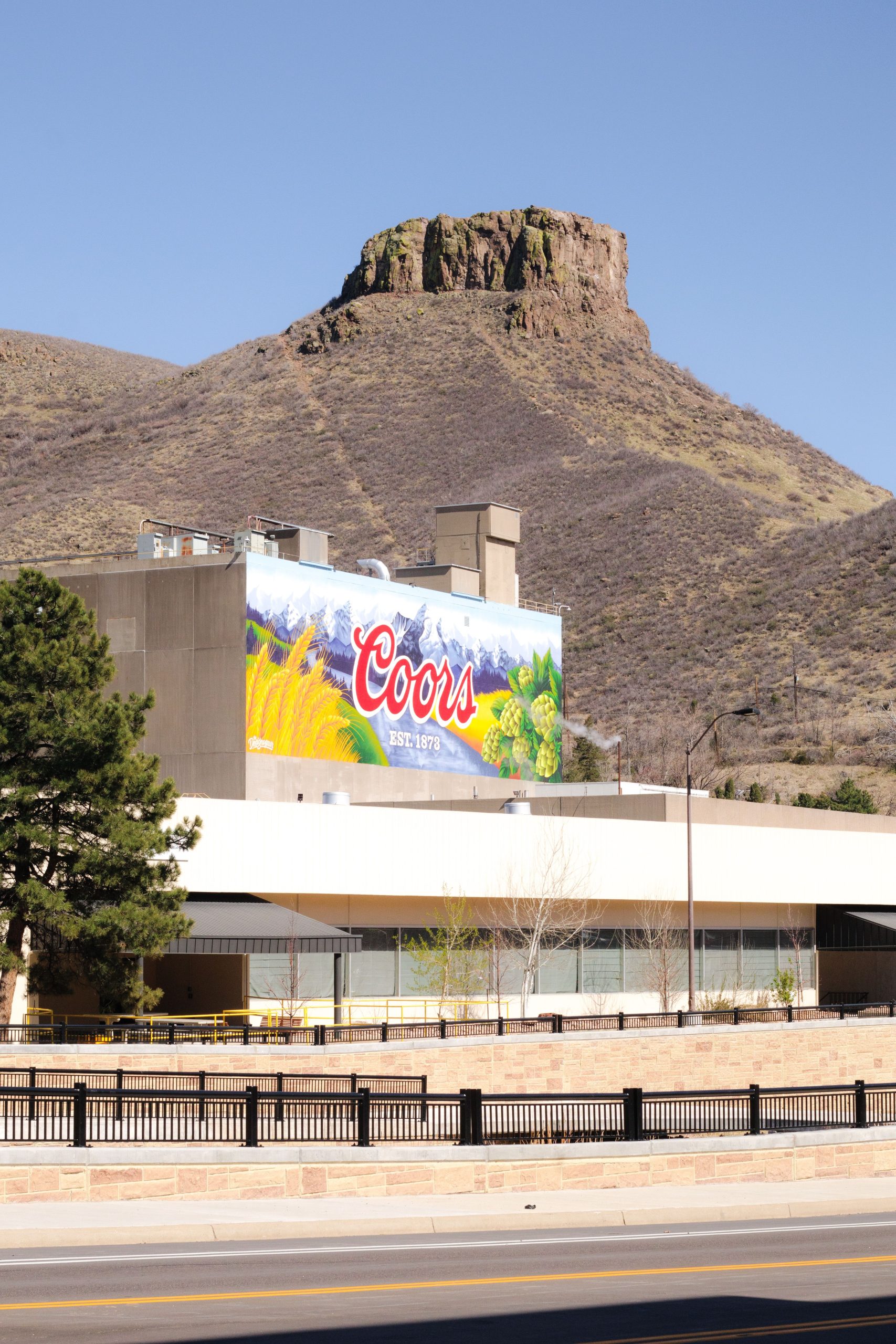
What should you know before buying a home in Golden, Colorado?
Golden’s median sale price has run between roughly $750,000 and $930,000 in 2026, with average values near $869,000 and homes taking about 68 to 95 days to sell — a slower, more negotiable market than a year ago. The two costs most buyers underestimate here are homeowners insurance, which carriers now price by wildfire risk in the foothills, and foundation risk from expansive clay soil. Budget for an insurance quote and a soil-aware inspection before your objection deadline, not after closing.
Golden is one of the few Denver metro markets where two homes a mile apart can carry completely different ownership costs — and the difference has nothing to do with square footage.
It’s the insurance. And the soil. And, in a handful of blocks downtown, what the city will let you do to the exterior.
None of that shows up on the listing. All of it shows up in your monthly payment and your first five years of ownership. Here’s what to actually check before you write an offer in Golden.
What Homes Cost in Golden Right Now
Golden is a small market — roughly 20,000 people wedged between North and South Table Mountain and the foothills — so the price data swings more than it does in Lakewood or Arvada. A few sales above $1.5 million on Lookout Mountain can move the citywide median in a single month.
Here’s where the numbers landed through mid-2026:
- Average home value: around $869,000, down slightly — under 1% — year over year
- Median sale price: reported between $750,000 and $930,000 depending on the source and the window measured
- Days on market: roughly 68 to 95 days, up meaningfully from about 64 days a year ago
- Offers per home: averaging about one — not the multiple-offer environment of 2021
That last line is the one worth sitting with. Across the Denver metro, active inventory has climbed to a ten-year high and the average days on market is running near 70. Golden is tracking that same shift. Buyers have more room to negotiate price, closing cost credits, and inspection items than they’ve had in years.
Financing at Golden’s price point takes real planning. On a home in the $800,000s with 20% down, you’re looking at a payment that clears $4,500 a month before you add insurance and taxes — which is exactly why the next two sections matter so much.
Where the price tiers actually sit
Applewood — the east side toward Wheat Ridge, with mid-century ranches, mature landscaping, and the widest entry range in the area. This is where Golden-adjacent buyers most often start, and it’s the easiest access to I-70 and downtown Denver.
Mesa Meadows and Golden Mesa — newer, larger homes with North and South Table Mountain views, commonly listed from about $930,000 to $1.28 million, often 3,400 to 5,000 square feet.
Downtown Golden and Beverly Heights — walkable to Washington Avenue, Clear Creek, and the Colorado School of Mines campus. Older housing stock, smaller lots, and the tier where historic designation is most likely to come into play.
Lookout Mountain, Mount Vernon, and Genesee — mountain properties on one to two-plus acres, with listings that have ranged from roughly $489,000 to well over $1.5 million. Buildable lots have listed in the $329,000 to $395,000 range. This is also where insurance and access become the deciding factors, not the view.
If you’re weighing Golden against a neighboring Jefferson County market, it’s worth seeing how Arvada prices out by neighborhood — you’ll often find more square footage per dollar there, with a very different feel.
The Two Costs Buyers Underestimate in Golden
I walk clients through this before we tour anything in Golden, because these two items can change what you can afford by six figures.
1. Homeowners insurance is now a buying decision, not a closing detail
Colorado has become one of the harder states in the country to insure a home, and foothills communities are the sharpest edge of that. The statewide average premium now sits around $4,100 a year. In wildfire-scored areas, it runs substantially higher, and existing homeowners in foothills zones have seen renewal increases in the 150% to 250% range. Some carriers have stopped writing new policies in certain foothills areas altogether.
What this means practically:
- Get a real quote on the specific address during your inspection window. Not a ballpark. Not a quote on a comparable home. The actual address, because carriers score by parcel.
- Ask what the seller is currently paying — and whether they’ve been non-renewed, moved to the Colorado FAIR Plan, or flagged with a high wildfire risk score.
- Mitigation moves the needle. Defensible space, a Class A roof, and Firewise certification meaningfully improve your odds of getting written at all.
- Consider an insurance contingency. More Denver metro buyers are asking for one, and in the foothills it’s a reasonable ask.
A $500 monthly insurance premium versus a $180 one is a $115,000 swing in purchasing power over a 30-year loan. That’s not a detail. That’s the whole budget.
2. Expansive soil and what your inspector may not catch
The Denver metro sits on expansive clay — bentonite, largely — that can swell dramatically when it takes on water and shrink back when it dries. Golden’s position at the base of the foothills, with the drainage patterns that come with it, makes this a live issue rather than a theoretical one.
Foundation repair in the Denver metro commonly runs $8,000 to $35,000, and full pier or shoring work has exceeded $60,000. Expansive soils cause more property damage in Colorado each year than floods, tornadoes, and earthquakes combined.
What to look for when you tour and when you read the inspection report:
- Stair-step cracking in brick veneer or basement block walls
- Doors and windows that stick, or frames visibly out of square
- Heaving or uneven cracking in the basement slab, garage floor, or driveway
- Fresh paint or new drywall only in the basement — sometimes a repair, sometimes a cover
- Negative grading, downspouts dumping at the foundation, or an irrigation zone running against the house
A general home inspection is the right first step, not the last one. If anything above shows up, bring in a structural engineer before your objection deadline. That report costs a few hundred dollars and has saved my clients tens of thousands.
The same logic applies to the other Jefferson County inspection items worth knowing about — I covered radon testing in Jefferson County and the broader radon, soil, and hail picture for Jefferson County buyers separately, because Golden buyers deal with all three.
Golden-Specific Rules That Catch Buyers Off Guard
Historic district design review. Most exterior alterations to a property inside one of Golden’s established historic districts — or to a locally designated site — require a Certificate of Appropriateness from the city’s Historic Preservation Board. That covers windows, siding, roofing, porches, and additions. If your plan for that charming 1910 bungalow involves new vinyl windows and a rear addition, verify the designation status with the City of Golden before you write the offer, not after.
There’s an upside worth knowing: federal and state tax credits exist for qualifying historic rehabilitation work through History Colorado. It’s a real offset if you’re buying with renovation in mind.
Short-term rental limits. Golden adopted regulations governing short-term rentals through Ordinance 2078. If any part of your purchase math depends on renting the property out on a nightly basis, confirm current city requirements before you commit — this is city-specific and has changed over time.
Property taxes. Golden sits in Jefferson County, and Colorado reassesses statewide every two years. If you buy at or above list, your tax bill can jump from what the seller has been paying. I broke down how that works in my guide to property taxes in Jefferson County — budget off a post-purchase estimate, not the seller’s current bill.
Mountain property extras. If you’re looking above the city on Lookout Mountain or in Mount Vernon, add well and septic inspections, water rights questions, winter access and plowing, and driveway grade to your due diligence list. Those properties are wonderful and they are not the same transaction as a home on Washington Avenue.
Is Golden the Right Fit for Your Search?
Golden works well for buyers who want fast access to the mountains and Clear Creek, a compact walkable core, and RTD’s W Line running into Union Station in about 40 minutes. It’s a smaller employment base — Colorado School of Mines and the National Renewable Energy Laboratory anchor a lot of it — so most buyers here are commuting somewhere, and I-70 and Highway 6 are the routes that matter.
Where Golden asks more of you than a comparable Lakewood or Arvada purchase is the diligence. The insurance quote, the soil question, and the designation check aren’t optional here. They’re the difference between a home you love and a home that quietly costs you $30,000 in year three.
With inventory elevated and homes sitting longer than they did a year ago, you have the leverage to ask for all of that — a real inspection window, an insurance contingency, seller credits on items that come back. That’s a very different negotiation than Golden buyers had in 2021.
Golden rewards the buyer who does the homework — on insurance, on soil, and on what the city allows at a specific address. Those three answers shape your real cost of ownership far more than the list price does.
Every situation is different, and the best way to know what this looks like for you is to talk it through. I’d love to help. Reach out at (720) 915-2619 or visit ladawnsperling.com to schedule a conversation.
